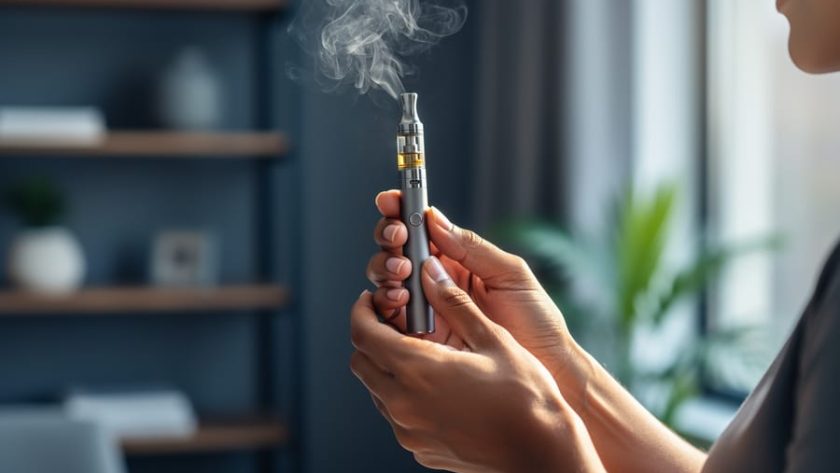
CBD vaping effects refer to the physical and mental responses your body experiences when you inhale vaporized cannabidiol oil, typically within minutes of use. Most users report a sense of calm, reduced muscle tension, and relief from everyday stress, though individual experiences vary based on dosage, product quality, and personal body chemistry.
The appeal of vaping CBD centers on speed and bioavailability. When you inhale CBD vapor, it enters your bloodstream through lung tissue rather than traveling through your digestive system first. This means effects kick in within 5 to 15 minutes instead of the hour or more you’d wait with edibles or capsules. For someone dealing with sudden anxiety or acute discomfort, that difference matters.
But the conversation around CBD vaping has grown more complex since its early days. Safety concerns emerged in 2019 following the EVALI crisis, which highlighted the dangers of contaminated vaping products, particularly those containing vitamin E acetate. While that outbreak was primarily linked to illicit THC cartridges, it permanently shifted how both regulators and consumers evaluate vaping products. In 2026, third-party lab testing and ingredient transparency have become non-negotiable standards for reputable manufacturers.
This article breaks down what actually happens in your body when you vape CBD, explores the different product formats available, examines the legitimate wellness applications people turn to it for, and provides an honest assessment of the risks you should weigh before choosing this delivery method. Whether you’re comparing vaping to other consumption options or trying to understand if the effects align with your specific goals, you’ll find the practical information you need to make an informed decision.
What CBD Vaping Effects Really Mean
When people talk about CBD vaping effects, they’re describing what happens in your body and mind within minutes of inhaling cannabidiol vapor. Unlike the psychoactive high from THC, CBD vaping produces subtle but noticeable changes: a sense of physical relaxation, reduced mental tension, and sometimes clearer focus. Users report feeling “calmer but not sedated” or experiencing a gentle easing of discomfort without impairment.
The experience begins remarkably fast. Most people notice initial effects within 2-5 minutes of vaping, with peak intensity arriving around the 15-minute mark. This rapid onset occurs because vaporized CBD enters your bloodstream through lung tissue rather than navigating your digestive system. The trade-off is duration: effects typically last 2-3 hours compared to the 6-8 hours you might get from CBD oil or edibles.
Several technical terms help explain why vaping creates this specific effect profile:
- Bioavailability
- The percentage of CBD that actually reaches your bloodstream and becomes active in your body. Vaping offers 25-50% bioavailability compared to just 6-15% for edibles, meaning you need less CBD to achieve similar effects.
- Onset Time
- How quickly you feel effects after consumption. Vaping’s 2-5 minute onset is the fastest delivery method, while oils take 30-90 minutes and edibles 1-2 hours.
- Cannabinoid
- The active chemical compounds found in cannabis plants. CBD is one of over 100 cannabinoids, each producing different effects in your body’s endocannabinoid system.
- Full-Spectrum vs. Isolate
- Full-spectrum contains all hemp plant compounds including trace THC (under 0.3%), while isolate is 99% pure CBD. Full-spectrum may produce stronger effects through the “entourage effect,” though isolate guarantees zero THC exposure.
The physical sensations vary between individuals but commonly include loosening of muscle tension, reduced racing thoughts, and a subtle body warmth. Some users describe it as the feeling after a good stretch or deep breath, magnified and sustained. What you won’t experience is euphoria, altered perception, or the munchies associated with marijuana. Your coordination and cognitive function remain intact, making CBD vaping practical for daytime use when you need relief without losing productivity.
How CBD Vaping Works in Your Body
When you inhale CBD vapor, you’re launching a rapid biological process that starts in your lungs and reaches your brain in minutes, not hours like edibles.
The journey begins the moment vapor enters your airways. As you draw CBD-rich vapor into your lungs, thousands of tiny air sacs called alveoli do the heavy lifting. These sacs have incredibly thin walls surrounded by dense networks of capillaries. CBD molecules pass directly through these thin membranes into your bloodstream, bypassing your digestive system entirely. This is why vaping works so much faster than swallowing a CBD gummy or oil.
Once in your bloodstream, CBD travels quickly throughout your body. Within two to five minutes, it reaches peak concentration in your blood plasma. Compare that to oral CBD, which must survive stomach acid, get processed by your liver, and wait 30 to 90 minutes before significant amounts enter circulation. The liver actually breaks down much of the CBD you swallow before it ever reaches your bloodstream, a phenomenon called first-pass metabolism. Vaping sidesteps this entirely, meaning more of the CBD you inhale actually becomes available for your body to use.
Now comes the interesting part: how CBD actually affects you. Your body has an endocannabinoid system, a network of receptors spread throughout your brain, organs, and tissues that help regulate mood, pain sensation, appetite, and inflammation. CBD doesn’t bind directly to these receptors like THC does. Instead, it works more subtly, it influences how your body uses its own natural endocannabinoids, blocks certain receptors that cause anxiety or pain signals, and interacts with serotonin receptors.
This indirect action explains why CBD’s effects feel different from THC. You won’t get a “high” because CBD doesn’t activate the CB1 receptors in your brain that create that sensation.
Your body eventually breaks down CBD through your liver, even when you vape it. The difference is timing: vaped CBD hits faster but also leaves your system sooner, typically clearing within four to six hours. This shorter duration is why some users prefer vaping for acute situations, managing a stressful meeting or easing discomfort after a workout, rather than all-day coverage.
Types of CBD Vaping Products and Their Effects
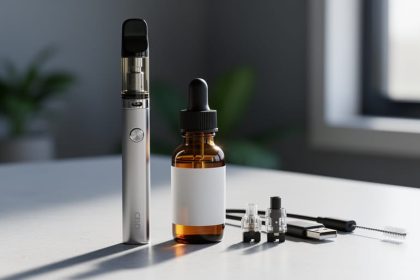
CBD E-Liquids and Vape Juices
CBD e-liquids represent the most common entry point for vaping CBD, offering concentrations that typically range from 100mg to 1000mg per 30ml bottle. At the lower end, you’ll notice subtle relaxation within 5-10 minutes, ideal for first-time users or those seeking mild daytime relief. Higher concentrations deliver more pronounced calming effects without crossing into sedation for most users.
The carrier liquid, usually a blend of propylene glycol (PG) and vegetable glycerin (VG), directly influences your experience. Higher PG ratios produce a sharper throat hit and faster absorption, which some users associate with quicker onset. VG-heavy blends create smoother vapor but slightly slower effects due to thicker consistency.
Flavorings add complexity beyond masking CBD’s earthy taste. While they don’t alter CBD’s therapeutic action, they affect your overall sensory experience and vapor production. Natural hemp terpenes in some premium e-liquids may enhance effects through the entourage effect, though research on this remains preliminary. Quality matters significantly: poorly formulated liquids with cutting agents or artificial additives can irritate your throat and lungs, potentially overwhelming any CBD benefits with discomfort.
CBD Cartridges and Pre-Filled Pods
CBD cartridges and pre-filled pods offer the most straightforward entry point for consistent effects. Unlike e-liquids that require measuring and refilling, these closed systems deliver precise CBD doses with each puff, manufacturers pre-measure concentrations, typically ranging from 100mg to 500mg per cartridge, so you know exactly what you’re getting.
This predictability matters when you’re targeting specific effects. A 200mg cartridge will produce noticeably milder relaxation than a 500mg option, and because the formulation stays constant throughout the cartridge, your third session feels like your first. No guessing about whether you mixed concentrations correctly or if your tank is running low on CBD.
Most cartridges use either 510-thread universal fittings or proprietary pod systems. The trade-off: universal cartridges work with batteries you may already own, while brand-specific pods lock you into one ecosystem but often include usage tracking features that help you monitor intake patterns.
Pre-filled options cost more per milligram than bulk e-liquids, but the convenience and dosing accuracy make them ideal for newcomers still learning their tolerance and preferred effects.
CBD Concentrates for Advanced Users
CBD concentrates represent the most potent form of vaping CBD, with cannabinoid levels typically ranging from 80% to 99% pure CBD. These products, including wax, shatter, crumble, and distillate, deliver substantially stronger effects than standard e-liquids, often within one to three minutes of inhalation.
The intensity comes from the concentration process that removes plant matter, terpenes, and other compounds, leaving nearly pure CBD. A single inhalation of concentrate can deliver 25-50mg of CBD, compared to 5-10mg from typical vape juice. This means faster onset and more pronounced relaxation or therapeutic effects, but also a higher risk of drowsiness or dry mouth if you overconsume.
Shatter and wax require specialized dab rigs or concentrate-compatible vaporizers that reach higher temperatures. Distillate works in cartridge systems but still packs considerably more punch than regular formulations. The rapid, powerful delivery makes concentrates ideal for experienced users who have established their tolerance and need stronger relief for chronic pain, severe anxiety, or sleep disorders.
If you’re new to CBD or haven’t vaped concentrates before, start with a tiny amount, literally the size of a rice grain for wax or shatter. Wait 15 minutes before taking more. The potency can catch you off guard, leaving you unexpectedly sedated during the day. These products shine when you understand your dosage needs and want maximum efficiency, but they’re not the place to begin your CBD vaping journey.
Common Effects Experienced When Vaping CBD
Most people who vape CBD report a subtle calming sensation that sets in within minutes. Unlike THC, you won’t experience a “high”, no euphoria, altered perception, or impairment. Instead, the effects center on gentle physical and mental relaxation that many describe as “taking the edge off” without sedation.
Physical Effects
The most commonly reported physical sensations include muscle relaxation, reduced tension in the shoulders and neck, and a general sense of ease in the body. Some users notice mild pain relief, particularly for inflammatory discomfort or tension headaches. A 2020 review in the journal Molecules found that CBD interacts with pain receptors and may modulate inflammatory responses, though individual results vary widely based on dosage and the specific condition.
You might also experience dry mouth, CBD temporarily reduces saliva production, a harmless but common side effect. Keeping water nearby solves this easily. Drowsiness occurs in some users, especially at higher doses or when vaping before bed, though many people find CBD promotes alertness at lower amounts.
Mental and Emotional Effects
CBD’s most studied benefit is anxiety reduction. Users consistently report feeling less worried, more present, and better able to handle stressful situations. A 2019 study published in The Permanente Journal tracked 72 adults with anxiety and found that 79% experienced decreased anxiety scores within the first month of CBD use. The fast onset from vaping makes this particularly useful for acute moments, before a presentation, during a flight, or in social settings where you need quick relief.
Many vapers notice improved focus and mental clarity, describing it as a quiet mind without racing thoughts. This isn’t universal, some people feel no cognitive change at all, but it’s frequent enough to be noteworthy. CBD doesn’t produce the concentration boost of caffeine; it’s more about removing mental static than adding stimulation.
Common Effects at a Glance
- Relaxation without sedation or impairment
- Reduced physical tension and muscle tightness
- Decreased anxiety and worry
- Mild pain and inflammation relief
- Improved sleep quality when used before bed
- Dry mouth (temporary, easily managed)
- Occasional drowsiness at higher doses
What you won’t experience: paranoia, increased heart rate, or the psychoactive effects associated with marijuana. If you’re new to CBD vaping and want to maximize benefits while minimizing unwanted effects, learning how to use safely matters more than chasing a specific sensation.
What Research Actually Supports
Current evidence strongly backs CBD for anxiety and certain types of pain, with multiple clinical trials showing meaningful improvements. Sleep benefits have solid observational support but fewer controlled studies. Claims about focus, creativity, or mood enhancement rest mostly on user reports rather than rigorous research, promising but not yet proven at the same level.
Effects depend heavily on dosage, product quality, individual body chemistry, and what you’re trying to address. Start low, observe how your body responds, and adjust accordingly.
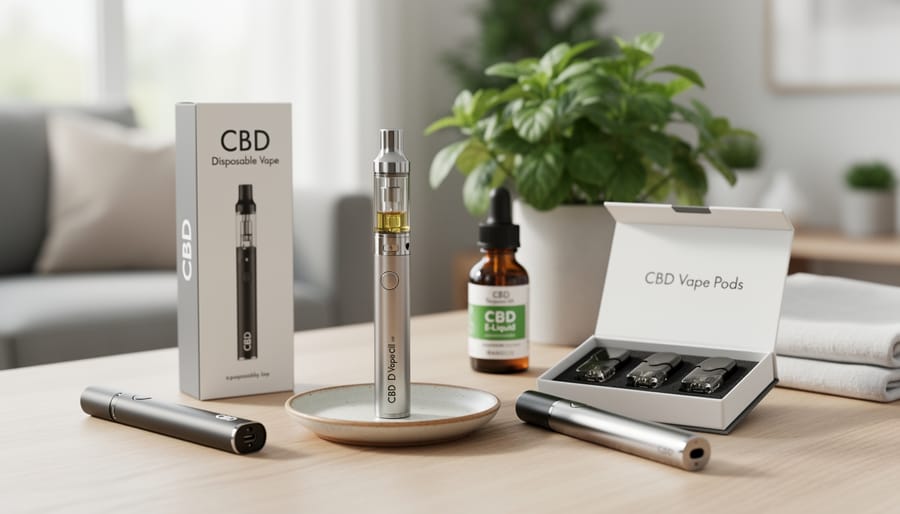
Uses and Applications of CBD Vaping
People turn to CBD vaping across a range of daily situations because of its rapid onset and controllable dosing. The fast absorption makes it particularly effective for acute needs rather than long-term buildup scenarios.
Managing daily stress represents one of the most common applications. When you feel tension building during a work deadline or before a challenging conversation, a few puffs can help restore calm within 5-10 minutes. Many users keep a vape pen at their desk or in their bag for these moments, taking 1-3 puffs as needed rather than following a strict schedule.
Social anxiety situations show particular benefit from vaping’s quick action. If you need composure before a presentation, meeting, or social gathering, vaping 15-20 minutes beforehand allows effects to peak right when you need them. Those learning to vape CBD for anxiety typically find lower doses of 3-5mg work better than higher amounts, which can sometimes increase drowsiness.
Sleep support requires different timing than daytime use. Vaping 30-45 minutes before bed helps initiate the wind-down process without the grogginess some edibles produce. Users often combine a slightly higher dose of 10-15mg with other sleep hygiene practices for best results.
Workout recovery has gained traction among athletes and fitness enthusiasts. Vaping immediately post-exercise may help reduce inflammation and muscle soreness, though this application has less research backing than anxiety relief. Doses of 5-10mg post-workout are typical starting points.
Chronic discomfort management varies widely by individual. Some find consistent relief with 2-3 vaping sessions daily, while others use it only during flare-ups. Understanding CBD vape dosing for pain requires experimentation, as effective amounts range from 5mg to 25mg depending on discomfort severity and personal tolerance.
Safety Considerations and Potential Risks
CBD vaping carries distinct safety considerations that responsible users should understand before incorporating it into their wellness routine. While CBD itself has a strong safety profile according to WHO research, the vaping delivery method introduces specific variables worth examining.
Product quality remains the paramount concern in 2026. The CBD market still includes unregulated products that may contain harmful contaminants, inaccurate CBD concentrations, or undisclosed THC levels. Third-party lab testing certificates have become essential, they verify cannabinoid content, confirm absence of pesticides and heavy metals, and check for solvent residues from extraction. Legitimate manufacturers readily provide these certificates, often through QR codes on packaging.
Vaping liquid composition matters significantly for lung health. Quality CBD vape products use pharmaceutical-grade propylene glycol and vegetable glycerin as carriers, both generally recognized as safe for inhalation. However, some cheaper products add vitamin E acetate or cutting agents that damage lung tissue. The 2019 EVALI crisis taught the industry harsh lessons about adulterants, leading to improved standards, but vigilance remains necessary.
Respiratory considerations apply to any vaping activity. Regular inhalation of heated vapor may irritate airways or trigger symptoms in people with asthma or chronic lung conditions. Those with compromised respiratory health should consult healthcare providers before vaping CBD.
Medication interactions deserve attention too. CBD inhibits certain liver enzymes that metabolize prescription drugs, potentially altering blood levels of medications like blood thinners, seizure medications, and some antibiotics. Anyone taking prescription drugs should discuss CBD use with their doctor.
Following a step-by-step safety approach minimizes risks: start with reputable brands, verify lab testing, begin with low doses, monitor your response, and maintain your vaping equipment properly. Quality matters more than price when protecting your health.
Frequently Asked Questions About CBD Vaping Effects
CBD vaping raises practical questions that deserve straightforward answers. Whether you’re evaluating this method for the first time or fine-tuning your approach, understanding timing, dosage, and legal implications helps set realistic expectations.
How long until CBD vaping effects start?
Most users notice effects within 3 to 5 minutes after inhaling, with peak effects occurring around 15 to 20 minutes. This rapid onset is why vaping appeals to people seeking quick relief compared to edibles or oils that take 30 minutes to 2 hours.
Will vaping CBD make me feel high?
No. CBD is non-psychoactive and doesn’t produce the euphoric “high” associated with THC. You might feel relaxed or notice reduced anxiety, but your cognition and perception remain normal.
How much CBD should I vape?
Start with 1 to 2 inhalations (roughly 1-2 mg CBD) and wait 15 minutes to assess effects. Most people find 5 to 15 mg per session effective, though individual needs vary based on body weight, metabolism, and symptom severity.
Can I fail a drug test from CBD vaping?
Full-spectrum CBD products contain trace THC (up to 0.3%), which can accumulate and potentially trigger a positive drug test with heavy, regular use. Broad-spectrum or CBD isolate products eliminate this risk entirely.
What’s the difference between CBD and THC vaping effects?
THC produces intoxication, altered perception, and euphoria, while CBD offers relaxation and potential symptom relief without cognitive impairment. THC can increase anxiety in some users, whereas CBD typically reduces it.
How long do CBD vaping effects last?
Effects typically persist for 2 to 3 hours, though duration depends on dosage and individual metabolism. This shorter window compared to edibles (4-6 hours) means you can re-dose as needed without long-lasting commitment.
Understanding dosage takes experimentation. Your ideal amount depends on what you’re addressing, someone managing occasional stress might need far less than someone dealing with chronic discomfort. Keep a simple log of how much you vape and the results for the first week. This removes guesswork and helps you identify your effective range quickly. For specific guidance on managing stress responses, our anxiety vaping tips walk through dosing strategies and timing considerations.
The drug test concern is legitimate but manageable. If you face workplace or athletic testing, stick with verified isolate or broad-spectrum products that show zero THC on lab reports. Even trace amounts can accumulate with daily use over weeks. When choosing products, prioritize brands that publish batch-specific test results rather than generic certificates.
CBD vaping offers a distinct experience in the cannabinoid world: fast-acting relief without intoxication, delivered through a method that many find convenient and discreet. You’ve learned how CBD enters your bloodstream through your lungs, interacts with your endocannabinoid system, and produces effects ranging from calm focus to physical relaxation, all within minutes rather than hours.
The real takeaway? Quality matters enormously. Third-party tested products from reputable manufacturers give you predictable, safe experiences. Sketchy vape liquids can introduce contaminants that undermine any benefits and potentially harm your health.
Your ideal dosage and timing won’t match someone else’s. Start low, give each session time to reveal its effects, and adjust based on what your body tells you. Keep a simple log if you’re experimenting, it helps identify patterns.
Stay curious about new research. Our understanding of CBD’s mechanisms and long-term effects continues to evolve, and regulations are tightening to protect consumers. The landscape in 2026 looks different than it did two years ago, and it’ll shift again.
Whether you’re managing everyday stress, supporting recovery, or exploring alternatives to traditional wellness approaches, informed choices put you in control of your CBD vaping experience.