Vaping exposes users to significantly fewer toxic chemicals than smoking, but it’s not risk-free. If you’re weighing whether to switch from cigarettes or start vaping, you need five standalone facts that cut through the hype and fear-mongering.
Here’s what the science actually shows. First, vaping aerosol contains a fraction of the carcinogens found in cigarette smoke, though long-term lung effects remain under study. Second, nicotine delivery in modern vape devices can match or exceed cigarettes, making them effective for switching but also habit-forming. Third, flavored e-liquids increase appeal but raise concerns about youth uptake and ingredient safety. Fourth, secondhand vapor carries lower toxicant levels than secondhand smoke, though it’s not harmless. Fifth, regulatory standards vary wildly by region, so product quality and safety depend heavily on where you live.
The safety differences between vaping and smoking matter most for current smokers exploring alternatives. If you’ve never used nicotine, starting with vaping introduces new risks with no clear benefit. But for smokers unable to quit with traditional methods, understanding these five facts helps you make an informed choice about harm reduction.
We’ll unpack each fact in detail, show you how they interact, and help you determine whether vaping makes sense for your situation. You’ll get a clear-eyed look at what we know, what we don’t, and what questions you should ask before making the switch.
Vaping vs. Smoking: Safety Comparison at a Glance

Vaping and smoking differ fundamentally in their safety profiles across five critical dimensions. Understanding these key facts helps you grasp what switching from cigarettes to vaping actually means for your health.
Here are the five core facts about vaping compared to traditional cigarette smoking:
Fact 1: Vaping Exposes You to Fewer Harmful ChemicalsE-cigarette vapor contains substantially fewer toxic substances than cigarette smoke. While not zero-risk, vaping eliminates most of the thousands of chemicals produced when tobacco burns.
Fact 2: Vaping Produces No Tar Because Nothing BurnsThe absence of combustion means no tar formation. Tar, the sticky residue from burning tobacco, never exists in vaping since the device heats liquid rather than burning plant material.
Fact 3: Secondhand Vapor Exposure Differs from Secondhand SmokeBystanders face different exposure profiles. Vapor dissipates faster and contains fewer persistent toxicants than cigarette smoke, though it’s not entirely without exhaled substances.
Fact 4: Cardiovascular Effects Show Important DistinctionsBoth deliver nicotine, which affects heart rate and blood pressure. However, smoking adds carbon monoxide and combustion byproducts that create additional cardiovascular strain not present in vaping.
Fact 5: Respiratory Health Measurements Reveal Notable DifferencesStudies measuring lung function and respiratory symptoms consistently show better outcomes in people who switch from smoking to vaping compared to those who continue smoking.
| Safety Factor | Vaping | Smoking | Key Difference |
|---|---|---|---|
| Chemical Exposure | Significantly reduced toxicant levels | Thousands of chemicals, many carcinogenic | Vapor contains far fewer harmful substances |
| Tar Production | Zero, no combustion occurs | High levels from burning tobacco | Absence of tar eliminates major carcinogen source |
| Secondhand Exposure | Lower bystander risk, faster dissipation | Persistent smoke with documented harm | Vapor presents reduced environmental exposure |
| Heart Health Impact | Nicotine effects without combustion toxins | Nicotine plus CO and combustion byproducts | Eliminates smoke-specific cardiovascular stressors |
| Lung Function | Better respiratory markers than smoking | Progressive lung damage and disease risk | Measurable improvement in respiratory health |
These five facts establish vaping’s comparative safety advantage for current smokers considering a switch. Each dimension represents a measurable difference supported by research, though vaping remains unsuitable for people who don’t already smoke.
Understanding What Each Method Actually Is
How Traditional Cigarette Smoking Works
When you light a cigarette, you’re triggering combustion, a high-temperature burning process that reaches around 900°C at the tip. As tobacco burns, it breaks down organic material and releases smoke, a complex mixture containing particulate matter and gases.
That smoke carries more than 7,000 chemical compounds. Among them are at least 70 known carcinogens, including formaldehyde, benzene, and nitrosamines. Tar, the sticky brown residue that coats lungs over time, is a collective term for the solid particles suspended in cigarette smoke. It’s not a single substance but a mixture of hundreds of chemicals that condense as smoke cools.
The combustion process itself creates many of smoking’s most harmful byproducts. When organic matter burns incompletely, it generates carbon monoxide, which reduces oxygen delivery in your bloodstream. The heat also produces free radicals and reactive compounds that damage cells directly.
Each inhalation draws this chemical cocktail deep into your respiratory system, where the smallest particles penetrate to the alveoli, the tiny air sacs where oxygen exchange happens. The repeated exposure causes inflammation, cellular damage, and gradual tissue changes that can lead to chronic disease.
Understanding this combustion-based delivery system is essential for grasping why vaping works so differently.
How Vaping Delivers Nicotine

Vaping devices work by heating a liquid solution until it turns into an aerosol, which users then inhale. This process is fundamentally different from smoking because nothing burns.
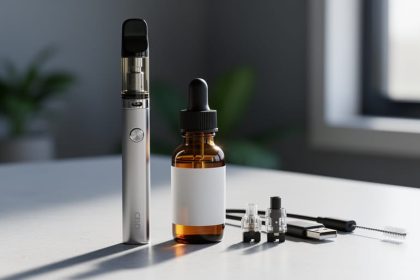
The typical vaping device contains a battery-powered heating element, often called a coil, that comes into contact with e-liquid stored in a tank or pod. When you activate the device by pressing a button or simply inhaling, the battery sends power to the coil, which heats up rapidly to temperatures typically between 200-300°C. This heat transforms the liquid into tiny droplets suspended in air, creating what looks like vapor but is technically an aerosol.
The e-liquid itself usually contains four main ingredients: vegetable glycerin, propylene glycol, flavorings, and often nicotine. When heated, these components vaporize at different temperatures but remain well below combustion point. The vegetable glycerin produces the visible cloud, while propylene glycol carries flavor and provides throat sensation.
The absence of combustion is the defining characteristic that sets vaping apart from smoking. While cigarettes must burn at temperatures exceeding 600°C to sustain combustion and produce smoke, vaping operates at roughly half that temperature and produces no fire, no ash, and no smoke. The aerosol dissipates quickly and contains no tar because tar is specifically a byproduct of burning organic material, which never occurs in the vaping process.
The 5 Key Safety Facts: Dimension-by-Dimension Analysis
Fact 1: Dramatically Reduced Chemical Exposure
When you light a cigarette, combustion creates thousands of chemical compounds, many of which damage your lungs and cardiovascular system. Vaping devices heat e-liquid to create an aerosol without burning anything, which fundamentally changes what enters your body.
Research consistently shows that vapor contains far fewer harmful and potentially harmful constituents compared to cigarette smoke. Studies analyzing the chemical composition find that while e-cigarette aerosol is not free of toxicants, the levels are dramatically lower than those in tobacco smoke. The key distinction comes down to temperature: cigarettes burn at extremely high temperatures, producing tar and releasing carcinogens through pyrolysis, whereas vaping operates at much lower temperatures that vaporize liquid without creating combustion byproducts.
This does not mean vaping is harmless. E-liquids contain substances that warrant caution, and long-term health effects continue to be studied. But for smokers considering a switch, the chemical exposure profile represents a significant difference. You are trading the thousands of chemicals in smoke for a much shorter list of substances in vapor, most notably nicotine, propylene glycol, vegetable glycerin, and flavoring compounds.
Fact 2: No Combustion Means No Tar
Cigarette smoke produces tar because burning tobacco creates sticky, dark residue that coats the lungs. Vaping uses no tar because nothing burns, the device heats e-liquid until it vaporizes, never reaching combustion temperatures.
This distinction matters enormously for respiratory health. Tar accumulates in lung tissue over years of smoking, contributing to chronic obstructive pulmonary disease and creating the characteristic blackening visible in smokers’ lungs. When you switch to vaping, you stop depositing new tar, allowing the lungs’ natural cleaning mechanisms to gradually clear existing damage.
Beyond tar itself, combustion generates thousands of chemicals through the burning process. Many of these are known carcinogens formed when organic material burns at high temperatures. Research confirms that avoiding combustion reduces carcinogens significantly, vapor contains far fewer of these toxic byproducts simply because the chemical reactions of burning never occur.
The absence of tar doesn’t make vaping risk-free, but it removes one of smoking’s primary mechanisms of lung damage. Long-term vapers show clearer lung tissue compared to continuing smokers, though neither group matches the lung health of people who have never smoked or vaped.
Fact 3: Lower Secondhand Exposure Risks
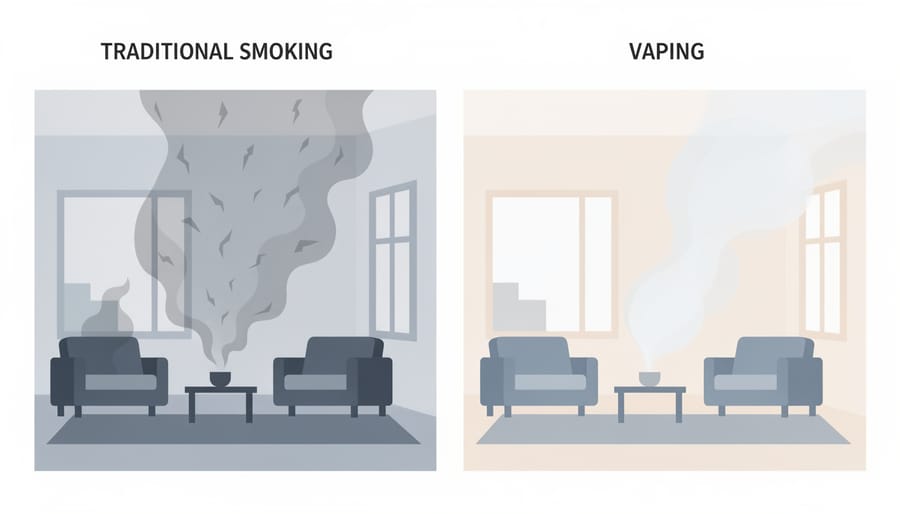
Secondhand smoke from cigarettes contains over 7,000 chemicals, with hundreds identified as toxic and about 70 known to cause cancer. The smoke lingers in enclosed spaces and settles on surfaces as a residue commonly called “thirdhand smoke,” which can persist for months.
Vaping aerosol presents a substantially different exposure profile for bystanders. Because no combustion occurs, the exhaled vapor dissipates more quickly and doesn’t produce the sticky tar residue that characterizes cigarette smoke. Research consistently shows that the levels of potentially harmful substances in secondhand vapor are considerably lower than in secondhand smoke, though not zero.
The practical difference matters most in shared living spaces. Studies examining indoor air quality have found that vapor does not accumulate the same way smoke does. Surfaces in homes where vaping occurs show minimal chemical deposits compared to the brown staining and persistent odor left by cigarette smoking. Ventilation effectively clears vapor within minutes, whereas cigarette smoke can linger for hours.
However, “lower risk” doesn’t mean “no consideration.” Vaping around children, pregnant women, or people with respiratory conditions still warrants caution. The nicotine in exhaled vapor, while present at much lower concentrations than in smoke, remains a consideration. The comparative picture clearly favors vapor over smoke for bystander exposure, but responsible use still means being mindful of where and around whom you vape.
Fact 4: Different Cardiovascular Impact Profile
Both vaping and smoking deliver nicotine, which naturally raises heart rate and blood pressure temporarily. That’s a shared cardiovascular effect. The critical difference lies in what else enters your bloodstream alongside that nicotine.
When you smoke, combustion produces carbon monoxide, which binds to hemoglobin and reduces oxygen delivery to your heart and tissues. You’re also inhaling oxidative chemicals and particulate matter that damage blood vessel linings and promote inflammation. These combustion products create an environment where plaque builds up faster, blood clots form more easily, and arterial stiffness increases. The combination of nicotine plus these combustion byproducts creates the cardiovascular profile that makes smoking such a powerful heart disease risk factor.
Vaping eliminates combustion entirely. You’re not inhaling carbon monoxide or tar. The aerosol contains nicotine and other substances, but it lacks the combustion-generated chemicals that drive much of smoking’s cardiovascular damage. Early research suggests vapers show better markers of vascular function compared to continuing smokers, though long-term cardiovascular outcomes data is still accumulating.
This doesn’t mean vaping has zero cardiovascular impact. Nicotine itself affects your heart, and some flavorings or heating byproducts may have effects we’re still studying. The profile is different, not absent.
Fact 5: Respiratory Health Markers Show Differences
Studies comparing respiratory health between vapers and smokers consistently reveal measurable differences in lung function and symptom profiles. Smokers typically show progressive decline in lung capacity and increased respiratory symptoms like chronic cough, phlegm production, and shortness of breath, all hallmarks of combustion damage. Research indicates that smokers who switch completely to vaping often experience improvements in these markers within months.
Lung function tests show that vapers generally maintain better airway performance than continuing smokers, though not necessarily matching the levels of people who have never used either product. Morning cough and breathlessness tend to decrease when smokers make the switch. Inflammatory biomarkers in the respiratory system also show distinct patterns: smoking creates intense, sustained inflammation from tar and combustion byproducts, while vaping appears to produce less pronounced inflammatory responses in most users.
That said, vaping is not impact-free. Some users report throat irritation or dry cough, particularly when starting. Certain flavouring chemicals have raised questions about potential respiratory effects with long-term exposure. The crucial comparison point remains that the respiratory burden from vaping appears substantially lower than from smoking’s combustion process, though researchers continue studying long-term outcomes in people who vape for decades.
Who Should Consider Vaping vs. Who Should Avoid Both
The comparative safety picture matters little if you’re in the wrong category to begin with. The harm reduction case for vaping applies specifically to current adult smokers looking for a less harmful alternative, not to everyone.
Adult smokers who should consider vaping:
- Current daily smokers who have tried to quit but continue smoking
- Adults who smoke regularly and want a less harmful nicotine delivery method
- Smokers who find traditional nicotine replacement therapies ineffective or unsatisfying
- People who understand vaping as a smoking replacement, not a risk-free habit
If you’re smoking a pack a day and struggling to quit through other methods, switching completely to vaping removes combustion products and dramatically cuts your exposure to the most harmful chemicals. The key word is “completely”, dual use (smoking and vaping) doesn’t deliver the full harm reduction benefit. You need to stop smoking entirely for vaping to work as a safer alternative.
Who should avoid both vaping and smoking:
If you don’t currently smoke, don’t start vaping. Non-smokers gain nothing from introducing nicotine and aerosol inhalation into their lives. The harm reduction argument collapses when there’s no smoking habit to reduce harm from.
Young people and adolescents should avoid both entirely. Nicotine affects developing brains, regardless of delivery method, and establishing any nicotine dependence before age 25 creates unnecessary risks. Pregnant women should avoid both smoking and vaping, as nicotine exposure during pregnancy poses developmental risks.
People with existing respiratory conditions like asthma or COPD should consult their doctor before considering vaping, even as a smoking alternative. While vaping doesn’t produce combustion products, inhaling any aerosol may irritate compromised airways.
The bottom line: vaping serves adult smokers as a harm reduction tool, not as a safe hobby for everyone. If cigarettes aren’t your problem, vaping shouldn’t be your solution.
What Each Option Is
Vaping and smoking are two fundamentally different ways to consume nicotine, and understanding what each actually does matters for making sense of the safety comparisons.
Traditional Cigarette Smoking
Smoking involves burning tobacco at temperatures exceeding 600°C. This combustion process releases smoke, a complex mixture containing tobacco particles, ash, tar, and thousands of chemical compounds produced when organic material burns. You inhale this smoke directly into your lungs, where nicotine and other substances rapidly enter your bloodstream through lung tissue. The burning never stops once a cigarette is lit, continuously generating smoke whether you’re actively inhaling or not.
Vaping (E-cigarettes)
Vaping uses an electronic device to heat a liquid (called e-liquid or vape juice) until it turns into an aerosol vapor. A battery powers a heating element that warms the liquid to temperatures typically between 200-300°C, hot enough to vaporize the liquid but far below combustion temperatures. The e-liquid contains nicotine dissolved in a base of propylene glycol and vegetable glycerin, plus flavorings. When you inhale, the device activates, heating the liquid only during that draw. Nothing burns, no smoke forms, and no combustion byproducts are created.
The key distinction: one burns plant material to create smoke, the other heats liquid to create vapor.
Who Should Choose Which
Choose vaping if you currently smoke cigarettes and are committed to switching completely, evidence shows significant harm reduction when you replace smoking entirely, not when you dual-use. Adult smokers who have struggled with other cessation methods may find vaping a practical pathway to quitting combustible tobacco. If you’re exploring alternatives for specific purposes like vaping CBD safety for wellness applications, understand that the CBD vaping effects differ from nicotine vaping and carry their own considerations.
Avoid both if you don’t currently use tobacco or nicotine products, non-smokers should not start vaping. Young people, pregnant women, and individuals with existing respiratory or cardiovascular conditions should steer clear of both. If you’ve successfully quit smoking and been nicotine-free for months or years, don’t restart your nicotine exposure through vaping.
The harm reduction case for vaping applies specifically to current smokers making a complete switch, not to creating new nicotine users or maintaining dual habits.
Common Questions About Vaping Safety
Switching from smoking to vaping raises understandable questions about safety, effectiveness, and long-term implications. Here are clear, evidence-based answers to the most common concerns.
Is vaping completely safe?
No, vaping is not completely safe or risk-free. However, research consistently shows it exposes users to far fewer harmful chemicals than smoking cigarettes, making it a harm reduction option for smokers who would otherwise continue smoking.
Can vaping help me quit smoking?
Many smokers have successfully used vaping as a tool to stop smoking cigarettes. Its effectiveness comes from delivering nicotine while eliminating combustion-related harms, though results vary by individual and approach.
What about long-term vaping effects?
Because vaping is relatively new, comprehensive long-term data spanning decades isn’t yet available. Current evidence suggests the long-term risks are substantially lower than continued smoking, but ongoing research continues to evaluate effects over time.
Are all vaping products equally safe?
No, product quality varies significantly. Regulated devices from reputable manufacturers, quality e-liquids from established brands, and avoiding black-market or modified products all affect safety. Always choose products that meet current safety standards.
One question worth addressing separately: what do major health organizations actually say? The landscape is nuanced. Some health authorities recognize vaping’s harm reduction potential for smokers, while others emphasize that non-smokers shouldn’t start. The general consensus centers on vaping being substantially less harmful than smoking while not being harmless, particularly for those who’ve never smoked.
Your personal health history, smoking status, and individual risk factors matter more than blanket statements. If you’re a smoker considering switching, or a vaper with health concerns, talking with your healthcare provider gives you guidance tailored to your situation rather than generic advice.
The evidence is clear: vaping isn’t without risk, but for adult smokers who switch completely, it represents a significant step toward reducing harm. The five key safety facts we’ve examined, reduced chemical exposure, absence of combustion and tar, lower secondhand risks, different cardiovascular impact, and improved respiratory markers, all point in the same direction when comparing vaping to continued smoking.
That said, this isn’t a free pass. Quality matters enormously. Stick with reputable brands, avoid black-market products entirely, and use devices as intended. If you’ve never smoked, there’s no reason to start vaping, nicotine addiction carries its own consequences, and the long-term effects of vaping are still being studied as the practice is relatively new compared to decades of smoking research.
The science continues to evolve. What we know in 2026 is more comprehensive than even a few years ago, but researchers are still tracking long-term outcomes and refining our understanding of how different devices and usage patterns affect health over time. Stay informed, read updates from credible health sources, and adjust your approach as new evidence emerges.
Most importantly, talk to your doctor. They can consider your specific health history, current conditions, and personal risk factors to give you tailored guidance that generic articles can’t provide. Whether you’re thinking about switching from smoking or questioning your current vaping habits, professional medical advice remains your best resource for making informed decisions about your health.