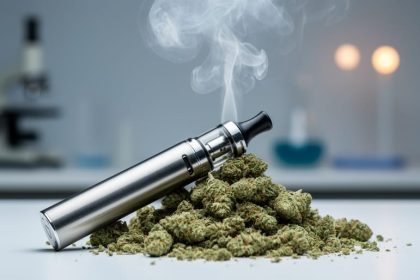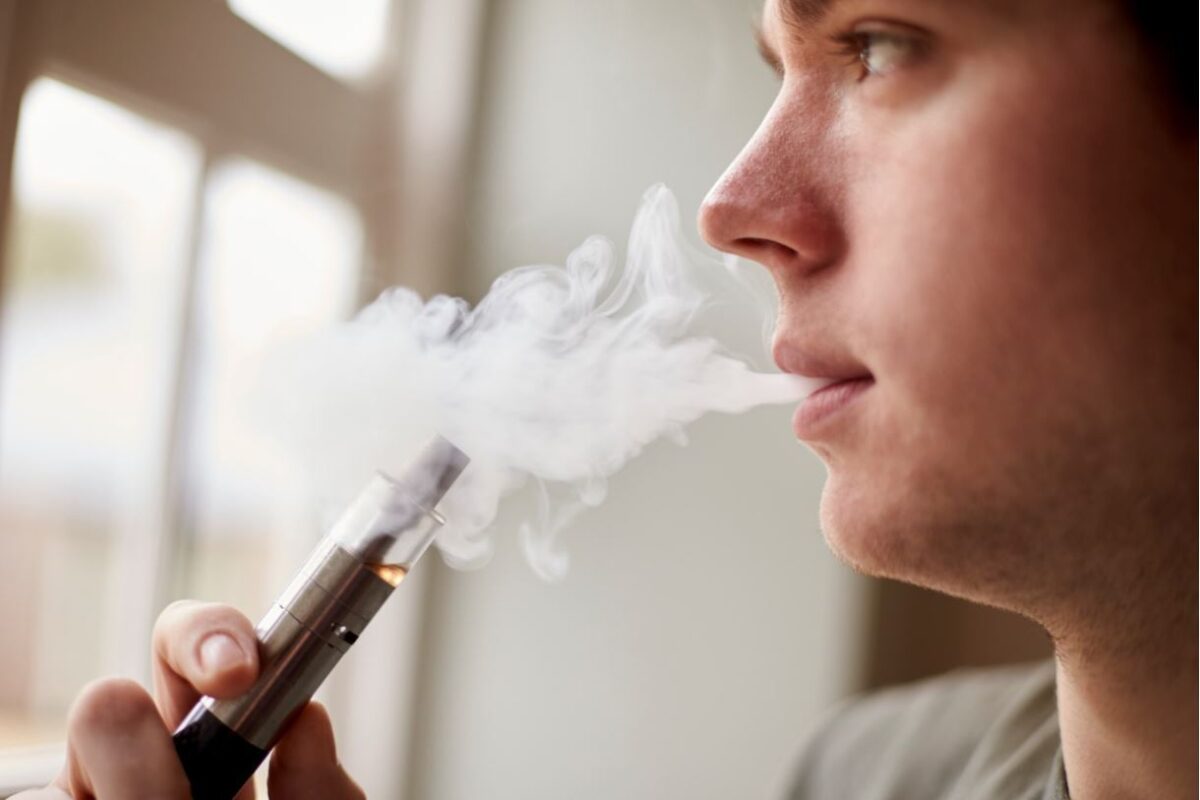
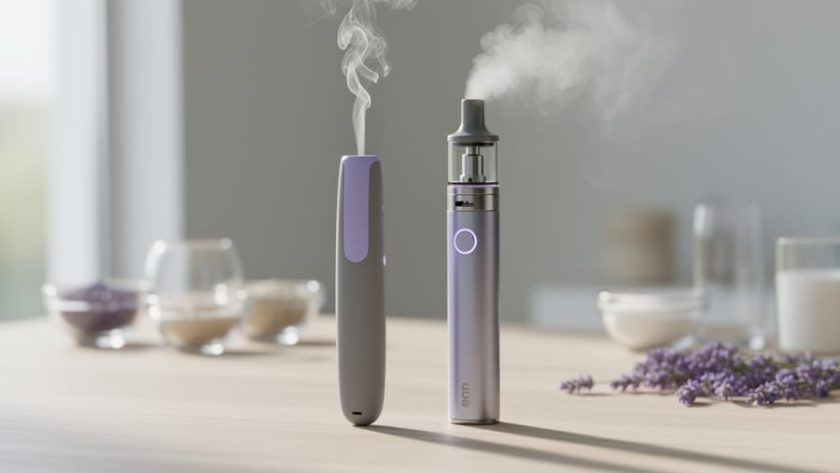
If you’re choosing between an anxiety pen and a traditional vape for stress relief, go with an anxiety pen when you want nicotine-free aromatherapy or vitamin delivery, but understand that neither option has proven long-term safety data. The key difference comes down to what you’re inhaling: anxiety pens typically contain calming botanicals like lavender and chamomile or supplements such as vitamin B12 and melatonin, while traditional vapes often deliver nicotine (though zero-nicotine options exist), propylene glycol, vegetable glycerin, and flavorings.
This distinction matters because your search likely stems from one of two goals: managing anxiety without nicotine addiction, or finding a safer alternative to nicotine vapes. Anxiety pens market themselves as wellness devices designed for relaxation through natural ingredients. Some, like ZEN, offer nicotine-free lavender and chamomile inhalation with no visible vapor, while others such as HELO use plant-based calming compounds. Traditional vapes, meanwhile, were originally built for nicotine delivery, though brands like ARRØ now offer 0% nicotine devices with only propylene glycol, vegetable glycerin, and natural fruit extracts.
Here’s the reality check: the Centers for Disease Control and Prevention cautions that vaping isn’t recommended because long-term health effects remain unknown. That warning applies to both categories. No anxiety pen has been proven safe for extended use, and inhaling heated aerosols exposes your lungs to compounds never meant for inhalation. Understanding the actual differences in ingredients, safety profiles, and intended effects will help you make an informed choice that aligns with your wellness priorities rather than marketing promises.
At-a-Glance: Anxiety Pen vs Vape Quick Comparison
Below is a snapshot of how anxiety pens and vapes differ across the dimensions that matter most when choosing between them. These categories highlight where the two overlap, both are portable, vape-like devices, and where they diverge sharply in purpose and composition.
| Attribute | Anxiety Pen | Vape |
|---|---|---|
| Nicotine Content | 0% nicotine (nicotine-free by design) | Varies: 0% to high strength, or CBD/THC instead |
| Primary Ingredients | Aromatherapy oils (lavender, chamomile), vitamins (B12, melatonin), plant extracts | PG/VG, flavorings, nicotine, CBD, THC, or fruit extracts |
| Vapor Production | None to minimal; some produce no visible aerosol | Visible vapor/aerosol from heated e-liquid |
| Intended Effect | Natural calm and relaxation through aromatherapy | Nicotine delivery, cannabis effects, or flavor enjoyment |
| Typical Form Factor | Slim inhaler or pen-style device | Disposable pens to refillable mods, wide range of sizes |
This table sets the baseline. Anxiety pens zero in on wellness and stress relief without addictive substances, while vapes span everything from nicotine replacement to recreational use. Neither category has proven long-term safety, and both carry health uncertainties tied to inhaling heated compounds. The sections that follow unpack each attribute in detail, so you can weigh what fits your goals and risk tolerance.
What Each Option Is
What Is an Anxiety Pen?
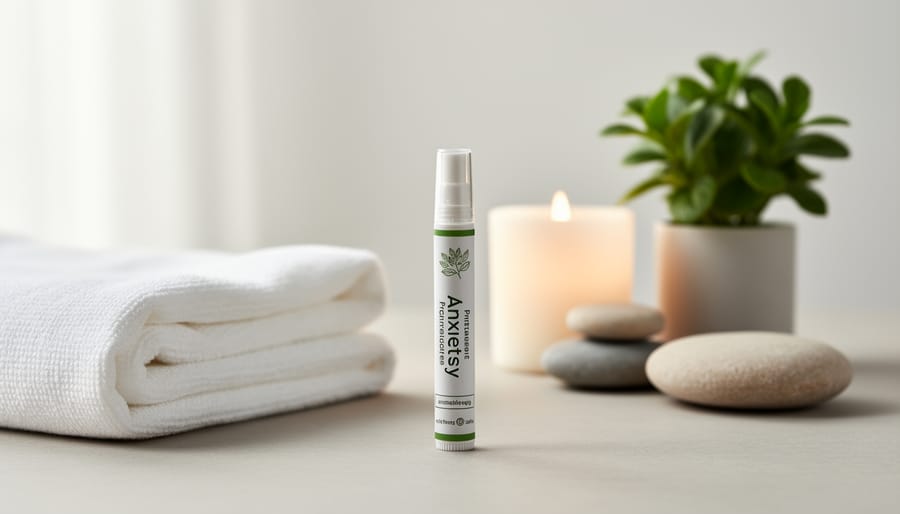
An anxiety pen is a handheld device that resembles a vape but delivers aromatherapy ingredients or vitamins instead of nicotine or traditional e-liquid. These devices inhale compounds such as lavender, chamomile, B12, or melatonin, substances marketed to promote natural calm and relaxation without addictive properties.
Unlike vapes designed for nicotine delivery or recreational use, anxiety pens target stress relief through inhalation therapy. ZEN, for instance, offers a nicotine-free lavender and chamomile inhaler that produces no visible vapor, focusing purely on the aromatherapy experience. HELO takes a similar approach with plant-based relaxation ingredients, positioning itself as a wellness tool rather than a smoking alternative.
The design intentionally mirrors vaping devices, compact, portable, and discreet, but the purpose diverges sharply. While a vape might heat e-liquid containing nicotine or CBD to create aerosol, an anxiety pen channels botanical extracts or vitamins through a simple inhalation mechanism. Some produce minimal or no visible vapor, emphasizing the aromatic and supplemental aspects over the cloud-chasing culture associated with traditional vaping.
It’s crucial to understand that no anxiety pen has been proven safe for long-term use. Inhaling heated aerosols exposes your lungs to compounds not originally designed for inhalation, and the Centers for Disease Control and Prevention notes that the long-term effects of such practices remain unknown. These devices occupy a wellness niche, but they aren’t risk-free breathing aids.
What Is a Vape?
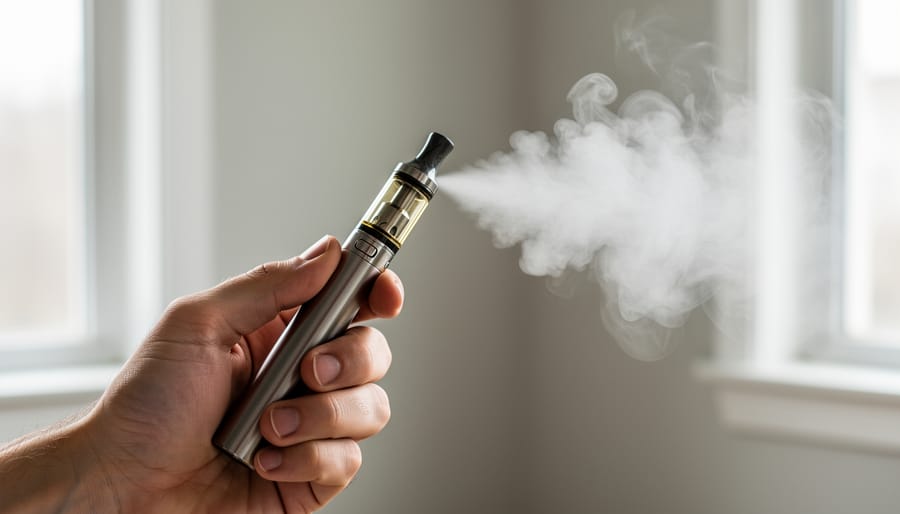
A vape is an electronic device that heats liquid into an inhalable aerosol or vapor. E-cigarettes heat liquid to make aerosol that users draw into their lungs, delivering various substances depending on the formulation. The liquid, commonly called e-liquid or vape juice, sits in a cartridge or tank and gets vaporized by a heating element when you inhale or press a button.
Vapes span a wide range of products. Some contain nicotine in varying strengths, designed as alternatives to traditional cigarettes. Others carry cannabis derivatives like CBD or THC for medicinal or recreational use. Nicotine-free options also exist: ARRØ vapes, for instance, contain 0% nicotine and use just three ingredients, propylene glycol, vegetable glycerin, and natural fruit extracts, aimed at flavor enjoyment without addictive substances.
The device formats vary considerably. Disposable vapes arrive pre-filled and ready to use until the liquid or battery runs out, then you discard them. Refillable systems let you swap cartridges or pour fresh e-liquid into a tank, and they range from compact pen-style devices to larger box mods with adjustable power settings.
All vapes share one defining trait: they produce visible vapor or aerosol. That cloud is what distinguishes them from aromatherapy inhalers and marks the sensory experience most users expect. Whether the goal is nicotine delivery, cannabinoid intake, or simply flavor, the mechanism stays consistent, heat turns liquid into breathable mist.
Anxiety Pen vs Vape: Dimension-by-Dimension Comparison
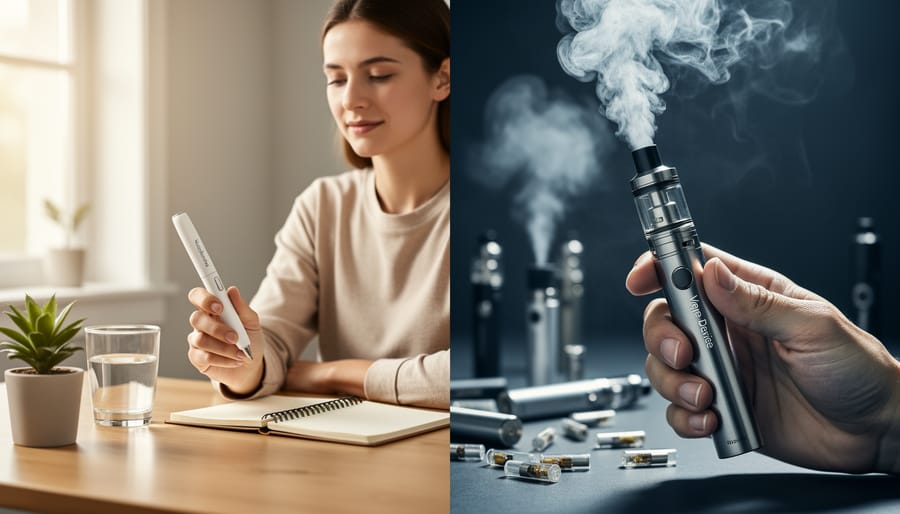
Ingredients and Composition
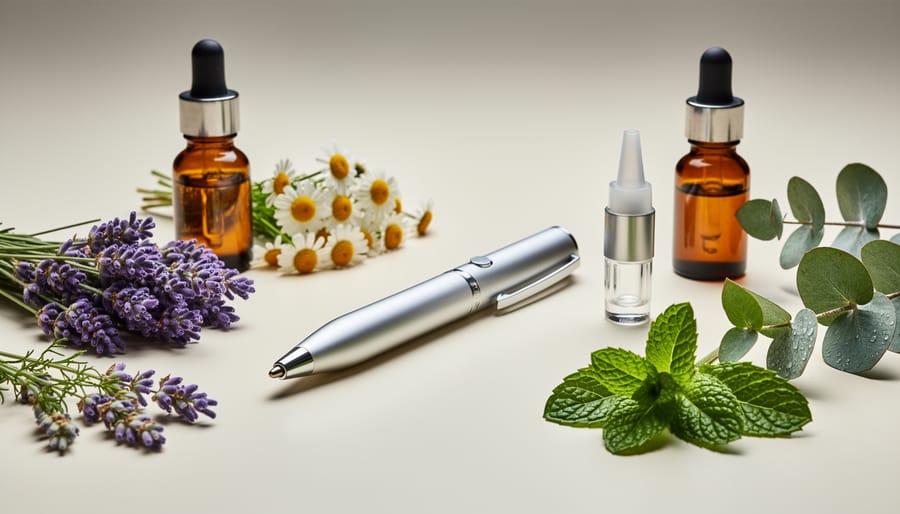
Anxiety pens and vapes differ sharply in what they deliver. Anxiety pens typically contain aromatherapy compounds like lavender and chamomile, or vitamins such as B12 and melatonin, designed to promote natural calm without addictive substances. ZEN, for example, markets a nicotine-free lavender and chamomile inhaler that produces no vapor, while HELO uses plant-based ingredients associated with relaxation. These formulations avoid nicotine, propylene glycol, and vegetable glycerin.
Vapes, by contrast, heat liquids that may contain nicotine, CBD, THC, or simply flavorings. Most e-liquids use propylene glycol and vegetable glycerin as base carriers, plus various additives. ARRØ offers a simpler approach: 0% nicotine vapes made with only three ingredients (PG, VG, and natural fruit extracts), eliminating many common additives. Cannabis vapes deliver CBD or THC in oil form. The upshot: anxiety pens focus on aromatherapy and vitamins, while vapes span nicotine delivery, cannabis use, and flavor experiences with distinctly different ingredient profiles.
Nicotine Content
Anxiety pens eliminate nicotine entirely from their formula. Products like ZEN and HELO are designed as nicotine-free alternatives, focusing instead on aromatherapy compounds and botanical ingredients to support relaxation. You won’t find any nicotine strength options with anxiety pens, they’re built around a different wellness philosophy.
Vapes, in contrast, span the full nicotine spectrum. Some contain zero nicotine, such as ARRØ’s simple three-ingredient formula with PG, VG, and natural fruit extracts. Others deliver nicotine in varying concentrations, from low doses for light users to higher strengths for heavy smokers transitioning away from cigarettes. Cannabis vapes skip nicotine altogether, delivering CBD or THC instead.
This difference matters if you’re trying to avoid addictive substances. Anxiety pens remove nicotine from the equation completely, while vapes give you control over whether and how much nicotine you consume. If nicotine dependency is a concern, an anxiety pen’s zero-nicotine design offers a clear boundary.
Vapor Production
One of the most visible differences between anxiety pens and vapes is what happens when you inhale. Anxiety pens typically produce little to no visible vapor. The ZEN anxiety pen, for instance, delivers lavender and chamomile aromatherapy with no vapor at all, you’re inhaling the scent and compounds without creating a cloud. Some anxiety pens may generate a faint aerosol, but vapor production is not their purpose. They’re designed for discrete aroma inhalation, not for visual exhale.
Vapes, on the other hand, are built to produce visible vapor. They heat e-liquid to create an inhalable aerosol that you can see when you exhale. This vapor cloud is a defining characteristic of vaping, whether you’re using a nicotine device, a cannabis vape, or a zero-nicotine option like ARRØ. The aerosol is the delivery mechanism for whatever’s in the liquid, nicotine, CBD, flavor, or fruit extracts. If you’re looking for a low-profile experience without visible exhale, an anxiety pen fits that need. If you prefer or expect the sensory feedback of vapor, a vape delivers it.
Intended Effect and Purpose
Anxiety pens are designed specifically for stress relief and relaxation through aromatherapy or vitamin delivery, offering a non-addictive alternative to traditional vapes. They aim to provide natural calm using ingredients like lavender, chamomile, B12, or melatonin, targeting users who want a wellness-focused ritual without nicotine or psychoactive substances. The intent is therapeutic rather than recreational, positioning these devices as daily stress-management tools.
Vapes serve a broader spectrum of purposes depending on their formulation. Nicotine-containing vapes help former smokers satisfy cravings with varying nicotine strengths, while cannabis vapes deliver CBD or THC for medicinal symptom relief or recreational use. If you’re exploring cannabinoid options, understanding vaping CBD basics helps clarify how these products differ from anxiety pens. Nicotine-free vapes like ARRØ cater to users seeking pure flavor enjoyment without addictive compounds, using only PG, VG, and natural fruit extracts. The intended effect ranges from nicotine replacement to pain management to simple sensory pleasure, making vapes adaptable to different lifestyle needs rather than focused solely on relaxation.
Safety and Health Considerations
Neither anxiety pens nor traditional vapes come with a clean bill of health. No anxiety pen has been proven safe for long-term use, despite marketing claims that position them as natural wellness tools. When you inhale heated aerosols, whether from an aromatherapy device delivering lavender and chamomile or a nicotine-free vape like ARRØ, you expose your lungs to compounds not originally designed for inhalation. The Centers for Disease Control and Prevention says vaping is not recommended because the CDC on unknown long-term effects remain a serious concern. Both product categories share this fundamental uncertainty: we lack robust, longitudinal data on what repeated inhalation does to respiratory tissue over years or decades.
Anxiety pens may avoid nicotine, but inhaling heated plant extracts, vitamins, or essential oils introduces unknowns. Vapes, meanwhile, carry well-documented risks tied to nicotine addiction and exposure to propylene glycol, vegetable glycerin, and flavoring chemicals when heated. Neither is risk-free. If you have asthma, other lung conditions, or cardiovascular issues, consult a healthcare professional before using either device.
Portability and Form Factor
Both anxiety pens and vapes score high on portability. You can slip either into a pocket or bag without hassle. Anxiety pens typically resemble slim inhalers or pen-style devices, making them discreet and lightweight for daily carry. Vapes come in a wider range of form factors: disposable pens are equally compact, while refillable box mods and pod systems can be bulkier but still portable enough for on-the-go use.
Convenience is comparable across both categories. If you’re weighing options based on portability alone, the decision won’t hinge on this dimension, both anxiety pens and vapes fit easily into an active lifestyle. Consider instead the mental health effects you’re seeking, the ingredients you’re comfortable inhaling, and legal factors like concerns about kids using marijuana products that influence regulation.
Regulatory and Age Restrictions
The legal framework surrounding vapes and anxiety pens differs significantly, though both devices face evolving regulation in 2026. Traditional vapes containing nicotine or cannabis are subject to strict age verification laws across most jurisdictions. For example, ROLL’D Cannabis Co. only sells to adults 19 years or older, reflecting provincial age restrictions on cannabis products. Similar age gates apply to nicotine vapes, typically 18 or 21 depending on your location.
Anxiety pens occupy murkier regulatory territory. Because they contain aromatherapy compounds, vitamins, or plant extracts rather than controlled substances, many fall under wellness or consumer product regulations instead of tobacco or drug laws. This often means less stringent oversight and inconsistent age restrictions. Some retailers voluntarily impose age limits, while others sell anxiety pens without verification, treating them like essential oil diffusers or dietary supplements.
The regulatory landscape varies widely by country and even by state or province. Cannabis vapes face the strictest controls, nicotine vapes follow tobacco regulations, and anxiety pens may have minimal oversight or none at all. Before purchasing either device, check your local laws regarding sale, possession, and use, particularly if the product crosses wellness, tobacco, or drug regulatory boundaries.
Who Should Choose Which?
Choose an anxiety pen if your primary goal is stress relief through aromatherapy without introducing nicotine or other addictive substances into your routine. These devices suit users who value a natural approach to calm and want to avoid the visible vapor associated with traditional vaping. However, remember that no anxiety pen has been proven safe for long-term use, and inhaling heated aerosols exposes your lungs to compounds not designed for inhalation.
- Seeking nicotine-free stress relief
- An anxiety pen fits better, offering aromatherapy ingredients like lavender and chamomile or vitamins such as B12 and melatonin without nicotine or significant vapor production.
- Former smoker transitioning from cigarettes
- A traditional vape may suit you if you need controlled nicotine delivery to manage cravings, though zero-nicotine options exist for those ready to eliminate the substance entirely.
- Exploring CBD for anxiety or medicinal cannabis
- A vape designed for cannabis oils provides the delivery method you need, but verify age restrictions and local regulations before purchasing.
- Prioritizing discretion and minimal visible output
- An anxiety pen offers a more subtle experience with little to no vapor, making it less conspicuous in public settings compared to standard vapes.
- Wanting flavor variety without health trade-offs
- Both options carry health uncertainties; nicotine-free vapes with simple formulations like PG, VG, and natural fruit extracts may appeal, but the Centers for Disease Control and Prevention says vaping is not recommended because the long-term effects are unknown.
Your risk tolerance plays a central role in this decision. Both anxiety pens and vapes involve inhaling heated aerosols, and neither is proven safe over years of use. If you accept these unknowns and seek relaxation without addictive substances, an anxiety pen aligns with that goal. If you already use nicotine or cannabinoids and need an effective delivery system, a vape serves that function, though it comes with the same respiratory concerns.
Consider your broader wellness context as well. Someone managing anxiety through multiple strategies, therapy, exercise, mindfulness, might view an anxiety pen as a supplemental tool rather than a primary solution. Someone using nicotine replacement therapy or medicinal cannabis requires a vape that delivers those specific substances. The right choice depends on what you’re trying to achieve and how much health uncertainty you’re willing to navigate while research continues to evolve.
Key Takeaways: Making an Informed Choice
Your choice between an anxiety pen and a vape comes down to what you’re actually seeking. If you want aromatherapy-based relaxation without addictive substances, an anxiety pen offers ingredients like lavender, chamomile, B12, or melatonin in a compact format. Products like ZEN provide natural calm with no vapor at all, while HELO uses plant-based relaxation compounds. These devices avoid nicotine entirely.
Vapes, on the other hand, span a wide spectrum. Some deliver nicotine for former smokers transitioning away from cigarettes. Others contain CBD or THC for medicinal or recreational cannabis use. Nicotine-free options like ARRØ exist purely for flavor enjoyment, using just PG, VG, and natural fruit extracts. All vapes produce visible aerosol, which is part of the experience for many users but fundamentally different from aromatherapy inhalation.
The critical caveat is health uncertainty. No anxiety pen has been proven safe for long-term use, and the CDC states that vaping is not recommended because the long-term effects remain unknown. Both categories involve inhaling heated aerosols, exposing your lungs to compounds they were not designed to process. Your decision should factor in not just your relaxation or nicotine goals, but also your willingness to accept these health unknowns. Consider consulting a healthcare professional before adopting either option as a regular habit.
Frequently Asked Questions
Are anxiety pens safer than vapes?
Neither option has been proven safe for long-term use. Both anxiety pens and vapes expose your lungs to heated aerosols containing compounds not designed for inhalation, and the Centers for Disease Control and Prevention states that vaping is not recommended because the long-term effects remain unknown.
Do anxiety pens contain nicotine?
No, anxiety pens are nicotine-free by design. Products like ZEN and HELO focus on delivering aromatherapy ingredients such as lavender, chamomile, B12, or melatonin for natural calm without addictive substances.
Do anxiety pens produce vapor like regular vapes?
Not necessarily. Some anxiety pens, such as ZEN, produce no visible vapor at all and function more like aromatherapy inhalers. Others may generate minimal aerosol, but vapor production is significantly less than what you see with traditional vapes that heat e-liquid.
Can I use an anxiety pen if I’m trying to quit nicotine?
Yes, anxiety pens can be an option for managing stress or oral fixation without nicotine, but they are not FDA-approved cessation tools and do not deliver nicotine replacement therapy. If you are addressing nicotine dependence, consult a healthcare professional for evidence-based quit strategies rather than relying solely on aromatherapy devices.
These questions reflect the most common concerns people have when deciding between anxiety pens and vapes. Understanding that both carry health uncertainties helps set realistic expectations, neither is a risk-free wellness solution.
If your primary goal is avoiding nicotine while seeking relaxation through aromatherapy, an anxiety pen aligns with that objective. However, if you are looking for nicotine delivery or want to understand how CBD works in vape products, a traditional vape or cannabis vape serves that purpose more directly.
Keep in mind that regulatory oversight for anxiety pens varies. While vapes face age restrictions and stricter regulation in many jurisdictions, anxiety pens may occupy a less-defined wellness product category. Always verify what you are inhaling, research the brand’s transparency about ingredients, and stay informed as research and regulations evolve in 2026.
Choosing between an anxiety pen and a vape comes down to what you’re actually looking for. If your goal is aromatherapy-based relaxation without nicotine or addictive substances, an anxiety pen delivering lavender, chamomile, or plant-based compounds might align with your wellness approach. If you’re seeking nicotine delivery, CBD, THC, or simply flavor enjoyment, a vape serves those purposes more directly.
Neither option is risk-free. No anxiety pen has been proven safe for long-term use, and inhaling heated aerosols exposes your lungs to compounds not designed for inhalation. The Centers for Disease Control and Prevention says vaping is not recommended because the long-term effects are unknown. That uncertainty applies to both categories.
Before making a decision, consider your health profile and risk tolerance. Consult a healthcare professional, especially if you have respiratory conditions or are trying to manage anxiety through non-pharmaceutical means. Your doctor can help you weigh the potential benefits against the known and unknown risks.
Stay informed as research and regulations evolve in 2026. The landscape around both anxiety pens and vapes continues to shift, with new studies emerging and legal frameworks tightening or expanding depending on jurisdiction. What you choose today should be an informed decision based on current evidence, your personal goals, and professional guidance, not marketing claims or assumptions about safety.